
Future of Queensland Energy: Virtual Power Plants Driving Sustainability Forward
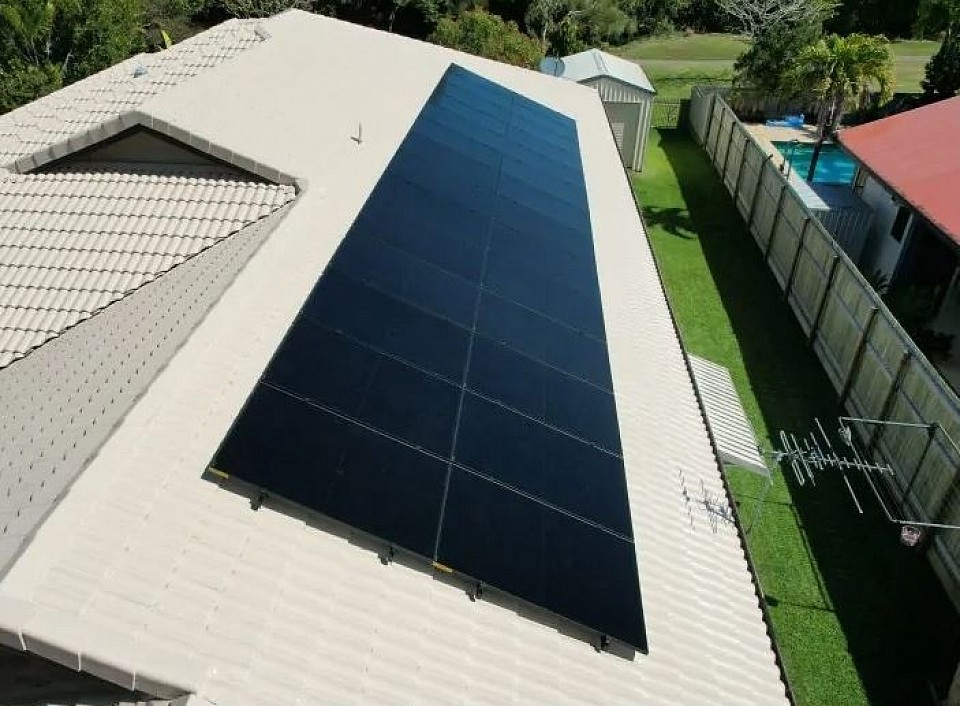
Queensland’s energy landscape is undergoing a transformation, with renewable technologies reshaping the way electricity is generated, stored, and consumed. Among the most promising developments leading this shift are virtual power plants (VPPs), a technology that is redefining energy management and sustainability across the state. Companies like Snap Solar are at the forefront, helping households and businesses harness the power of distributed energy resources while contributing to a more resilient and greener energy grid.
A virtual power plant QLD brings together a network of decentralized energy sources such as rooftop solar panels, battery storage systems, and even electric vehicles, linking them through intelligent software platforms. By aggregating these resources, a VPP can operate like a traditional power station, supplying electricity to the grid when needed, balancing demand, and improving reliability. Unlike conventional power plants that rely on a single large generator, VPPs distribute generation across multiple locations, reducing the risks associated with outages and enabling a more adaptive energy system.
One of the most compelling benefits of virtual power plant Qld is their potential to maximise the use of renewable energy. Queensland enjoys abundant sunshine, making solar energy a natural fit for households and commercial buildings. When these solar systems are combined with battery storage and connected through a VPP, excess energy generated during the day can be stored and later dispatched to the grid during peak demand periods. This not only enhances energy efficiency but also reduces the reliance on fossil fuel-based peaking power plants, which are often expensive and environmentally taxing.
The economic benefits of VPPs are also significant. For households that participate in a virtual power plant QLD, the opportunity to earn from stored energy is a major incentive. By selling surplus electricity back to the grid or receiving credits for reducing demand during peak periods, homeowners can offset electricity costs while contributing to the overall stability of the grid. For businesses, VPPs offer an innovative way to manage energy expenses, reduce operational costs, and demonstrate corporate sustainability commitments. Snap Solar has been helping clients understand and navigate these opportunities, ensuring that energy generation and consumption are not only environmentally responsible but financially rewarding as well.
Another critical aspect of VPPs is their ability to strengthen grid resilience. Traditional power grids are vulnerable to disruptions caused by extreme weather, infrastructure failures, or sudden surges in demand. By decentralizing energy production and creating a flexible network of distributed resources, virtual power plants can respond in real-time to changing grid conditions. This capability is particularly important for Queensland, which faces unique challenges such as cyclones, heatwaves, and periods of high energy consumption. The distributed nature of VPPs means that even if one source goes offline, others can compensate, minimizing the risk of blackouts and ensuring a continuous supply of electricity.
Technological innovation is the backbone of virtual power plants. Advanced software platforms monitor energy production and consumption across the network, predicting demand patterns and optimizing the dispatch of stored energy. Artificial intelligence and machine learning algorithms allow VPP operators to make real-time decisions that maximise efficiency and reliability. For Queenslanders, this means a smarter, more responsive energy system that can adapt to both environmental conditions and user needs. Snap Solar’s expertise in implementing these technologies ensures that clients are equipped with systems that are not only powerful but also user-friendly and integrated seamlessly into their daily lives.
The environmental impact of adopting VPPs in Queensland cannot be overstated. By promoting the use of solar energy and reducing dependence on coal and gas-fired power stations, virtual power plants contribute to lowering greenhouse gas emissions. This aligns with broader sustainability goals at both the state and national level, supporting Australia’s transition toward a low-carbon future. Moreover, VPPs encourage responsible energy consumption, as households and businesses become more conscious of when and how they use electricity. This cultural shift is a crucial component in building a sustainable energy ecosystem that prioritizes both ecological preservation and energy security.
Community engagement is another area where virtual power plants are making a difference. Snap Solar has been actively involved in educating residents and local businesses about the benefits of joining a VPP, highlighting not just financial gains but also the opportunity to participate in a collaborative energy solution. As more Queenslanders connect their solar panels and batteries to these networks, the cumulative effect can be transformative, creating a decentralized, cleaner, and more resilient energy system that serves the needs of everyone.
Looking forward, the future of Queensland energy will likely be defined by increasing integration of virtual power plants with emerging technologies. The growth of electric vehicles, improvements in battery storage capacity, and advancements in predictive energy management all point to a more sophisticated and efficient energy grid. By embracing VPPs, Queensland can position itself as a leader in sustainable energy innovation, demonstrating how technology can harmonize environmental responsibility with economic and social benefits.
In conclusion, virtual power plants are not just a technological novelty—they represent a paradigm shift in how energy is generated, stored, and consumed. For Queensland, they offer a pathway toward greater sustainability, resilience, and economic opportunity. Companies like Snap Solar are playing a pivotal role in driving this change, ensuring that homes, businesses, and communities can actively participate in a future where clean energy is abundant, reliable, and accessible. As virtual power plants continue to expand across the state, Queensland is set to become a model for the kind of sustainable energy transformation that other regions will look to emulate.
Check out related articles on our blog: vpp qld